

Is it legal to warm golf balls? In a rules-governed round, you cannot deliberately heat a golf ball with an electric golf ball warmer, chemical heat pack, heated pouch, portable heater, or similar artificial method and then make a stroke with that ball. Under Rule 4.2a, a player must not make a stroke at a […]

A golf ball warmer can make cold-weather golf feel less brutal by keeping spare balls from turning rock-hard in a freezing trunk, cart basket, push cart console, or side pocket. In winter, a cold ball often feels harsh off the face, especially on thin irons, toe-side driver strikes, and off-center wedge shots. When we evaluate […]

Do golf balls go farther in warm weather? Yes. Warm golf balls usually fly farther because warm air is less dense, the ball core stays more responsive, and the ball can maintain speed more efficiently after impact. When the temperature drops, the opposite happens: the air gets heavier, the ball feels firmer, and your normal […]
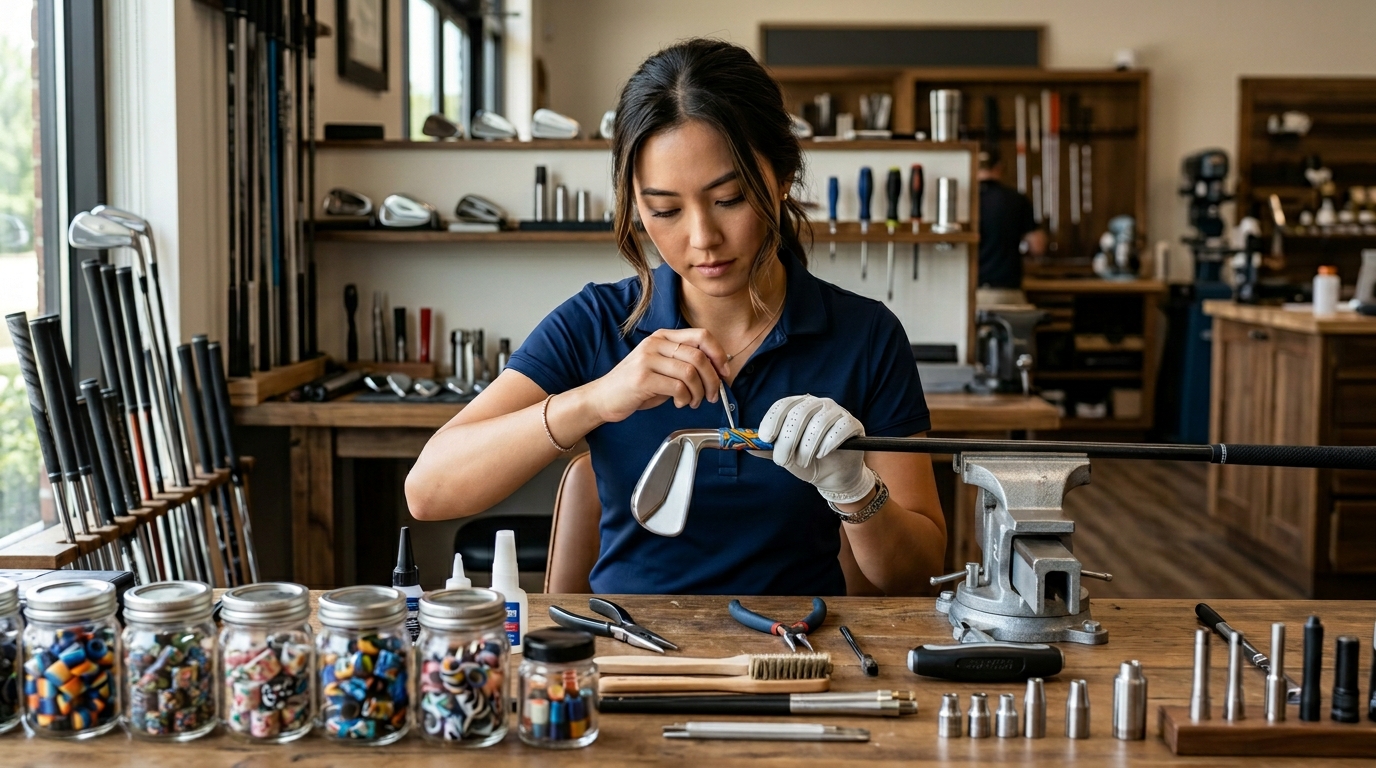
One of the biggest frustrations in DIY golf club building is when the shaft does not fit the club head hosel correctly. This can happen during shaft upgrades, aftermarket shaft installations, custom iron builds, old club restorations, or .355 taper tip to .370 parallel tip conversions. That is where a golf hosel reamer becomes useful. […]

Painting a golf club head can completely change the look of an old, scratched, chipped, or faded club. It can also go wrong very quickly. A rushed DIY paint job can make a club look cheap, uneven, heavy, messy, or permanently damaged. That is why preparation matters more than the paint itself. If you want […]

Drivers are usually the most expensive clubs in the golf bag. They are also some of the easiest clubs to damage cosmetically. One bad tee shot can leave an ugly sky mark, crown scratch, paint chip, or scuffed finish that makes an otherwise great driver look old and abused. The good news is that many […]
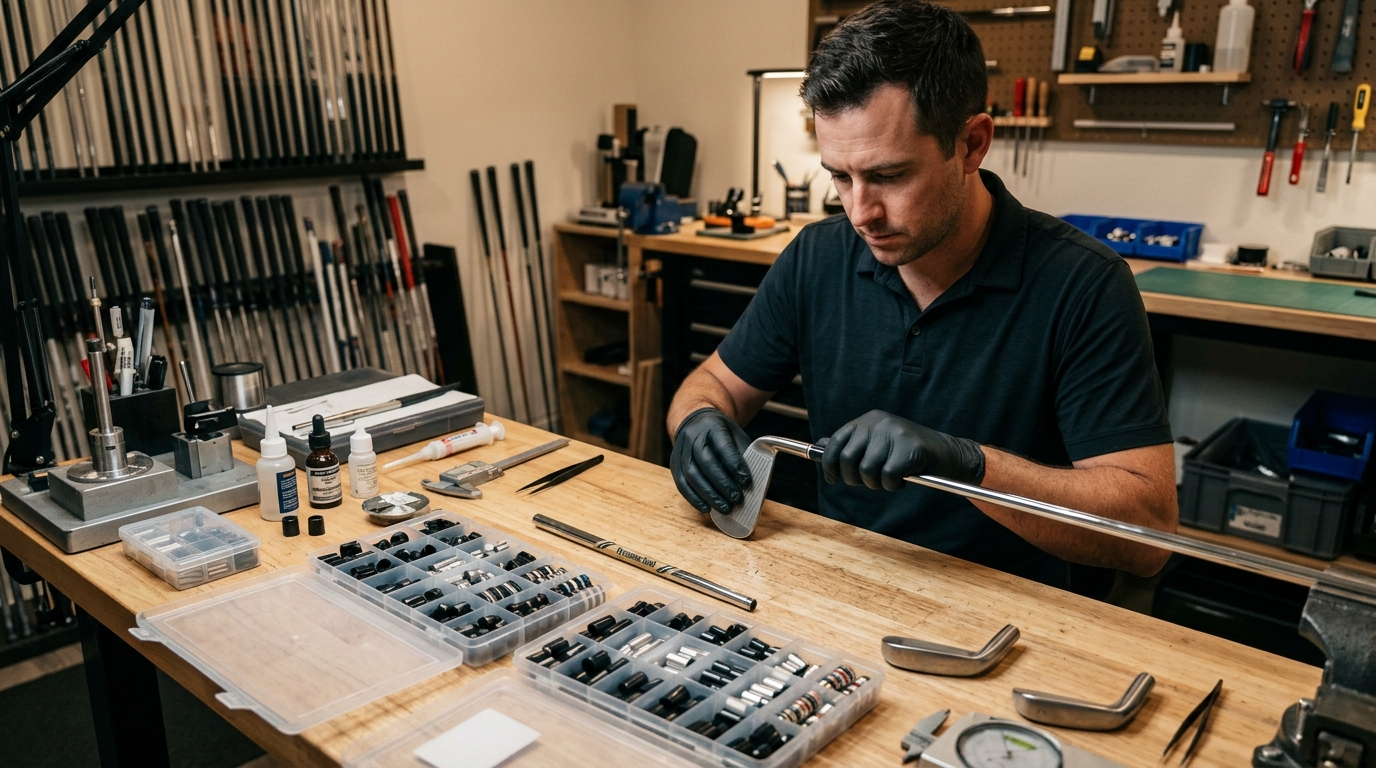
Golf club epoxy is one of the most important materials in DIY club repair. It holds the shaft securely inside the clubhead and helps create the bond that keeps the club safe during high-speed swings. If the epoxy is mixed poorly, the repair can fail. A weak bond can cause loose clubheads, rattling shafts, failed […]
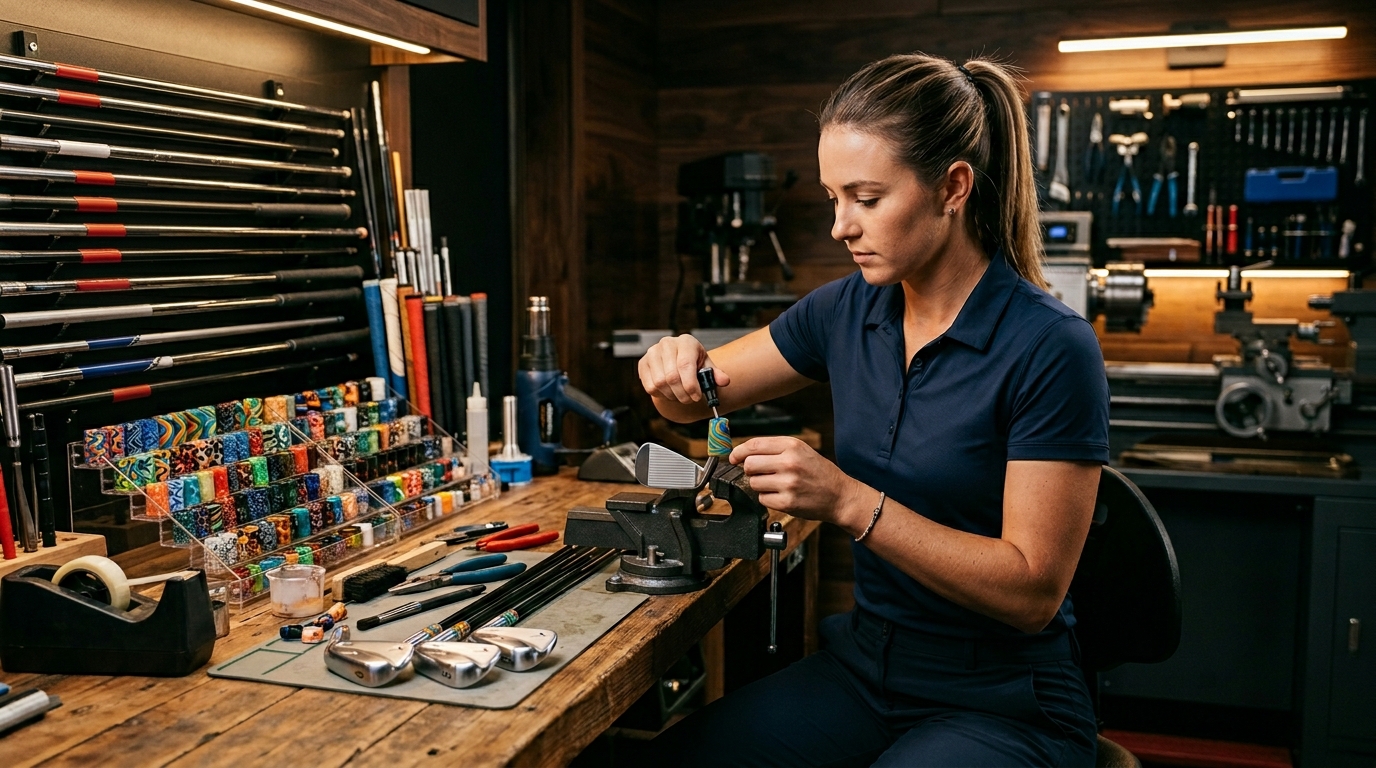
Golf shaft tip trimming is one of the most important steps in custom club building. A small trimming mistake can completely change how a golf shaft performs. That is why club builders rely on a golf shaft tip trimming chart before cutting any shaft. A proper trimming chart tells you how much material to remove […]
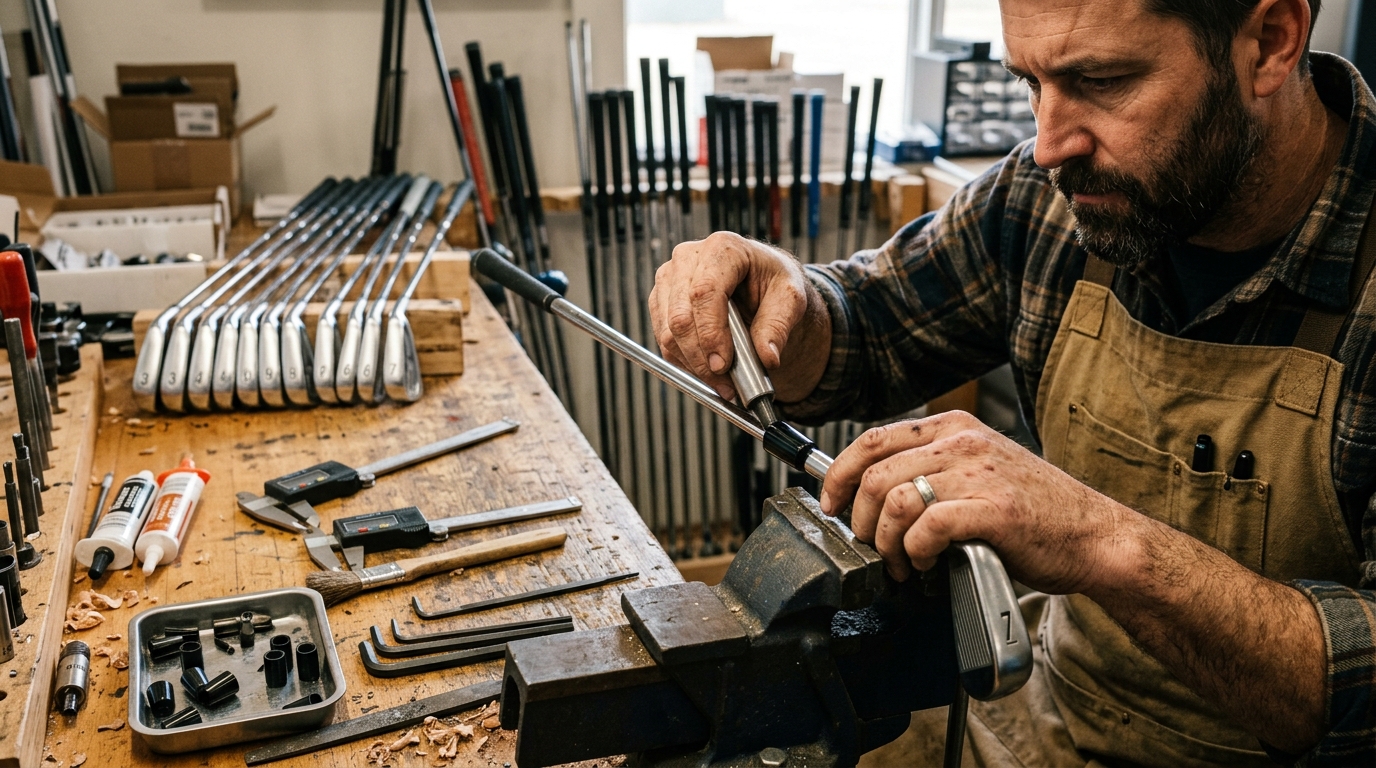
Golf shaft trimming can completely change how a club performs. Unfortunately, many golfers confuse two very different shaft-cutting processes: One can significantly change shaft stiffness, launch, spin, stability, and feel. The other mainly changes final playing length. Understanding butt trimming vs tip trimming is critical if you are building clubs, fitting shafts, replacing shafts, or […]
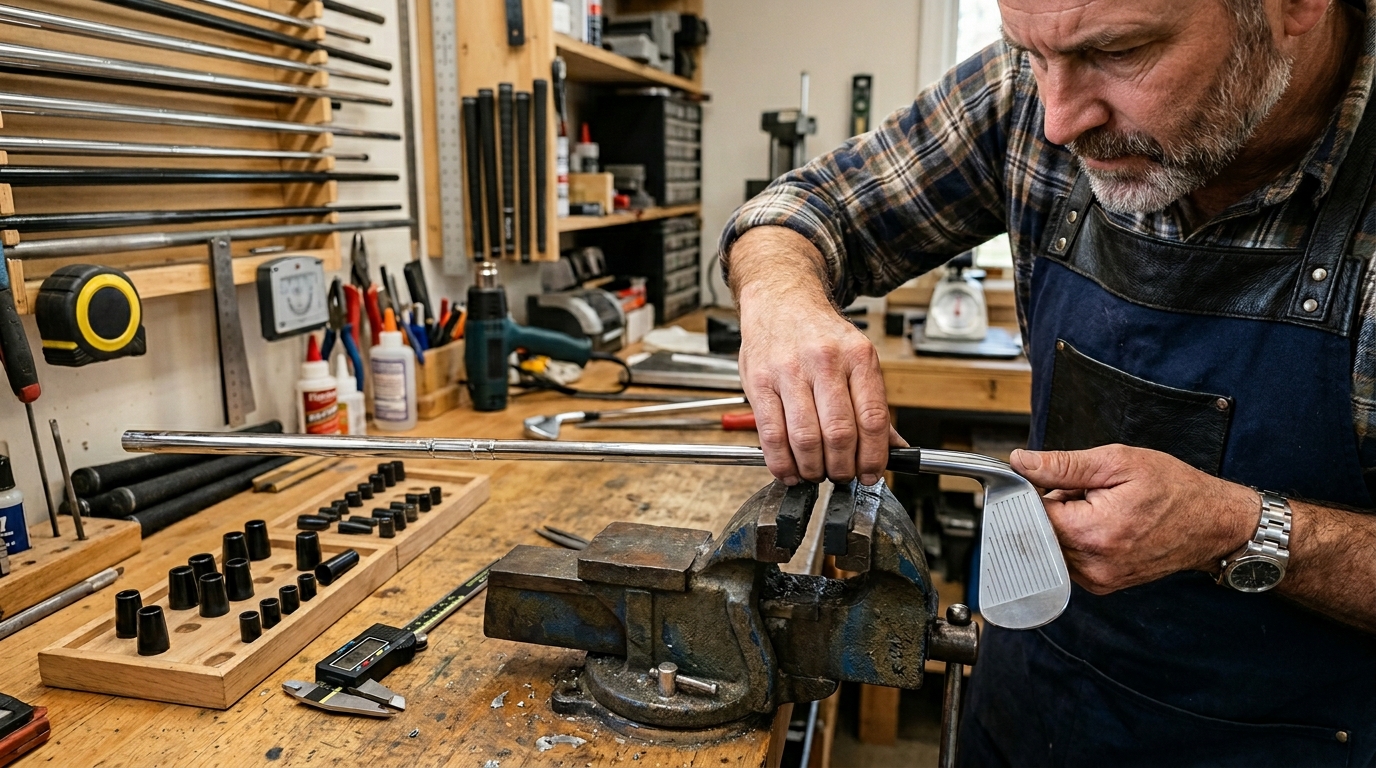
Many golfers buy aftermarket golf shafts without realizing one important detail: most shafts are not always ready to install immediately. Some shafts arrive untipped, meaning they may need to be tip trimmed before installation so they perform correctly in the intended club. That is why tip trimming is one of the most important parts of […]