
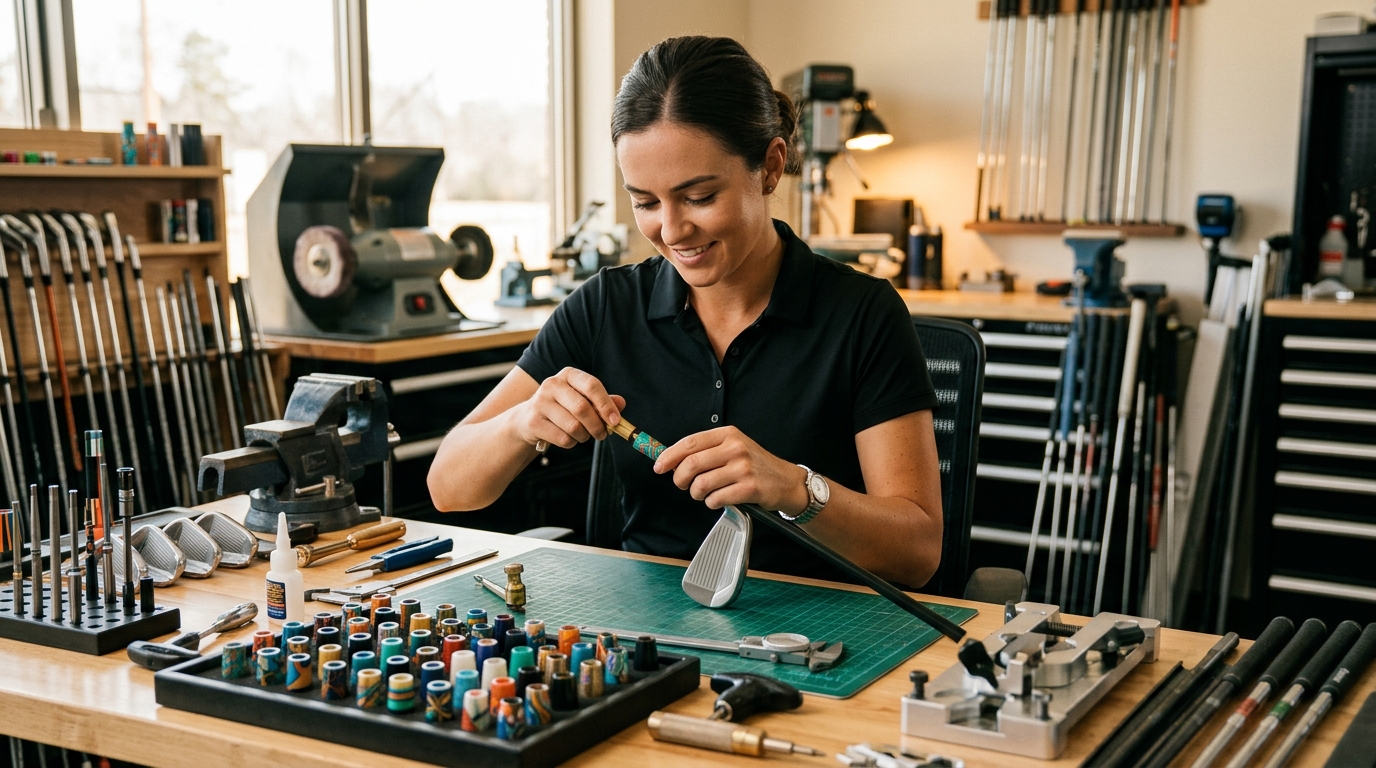
Removing a golf shaft sounds simple, but shaft extraction is one of the riskiest parts of DIY golf club repair. During shaft removal, a golf shaft puller applies pressure while controlled heat softens the epoxy bond inside the hosel. If the club head is not protected properly, that pressure can scratch paint, dent soft metal, […]
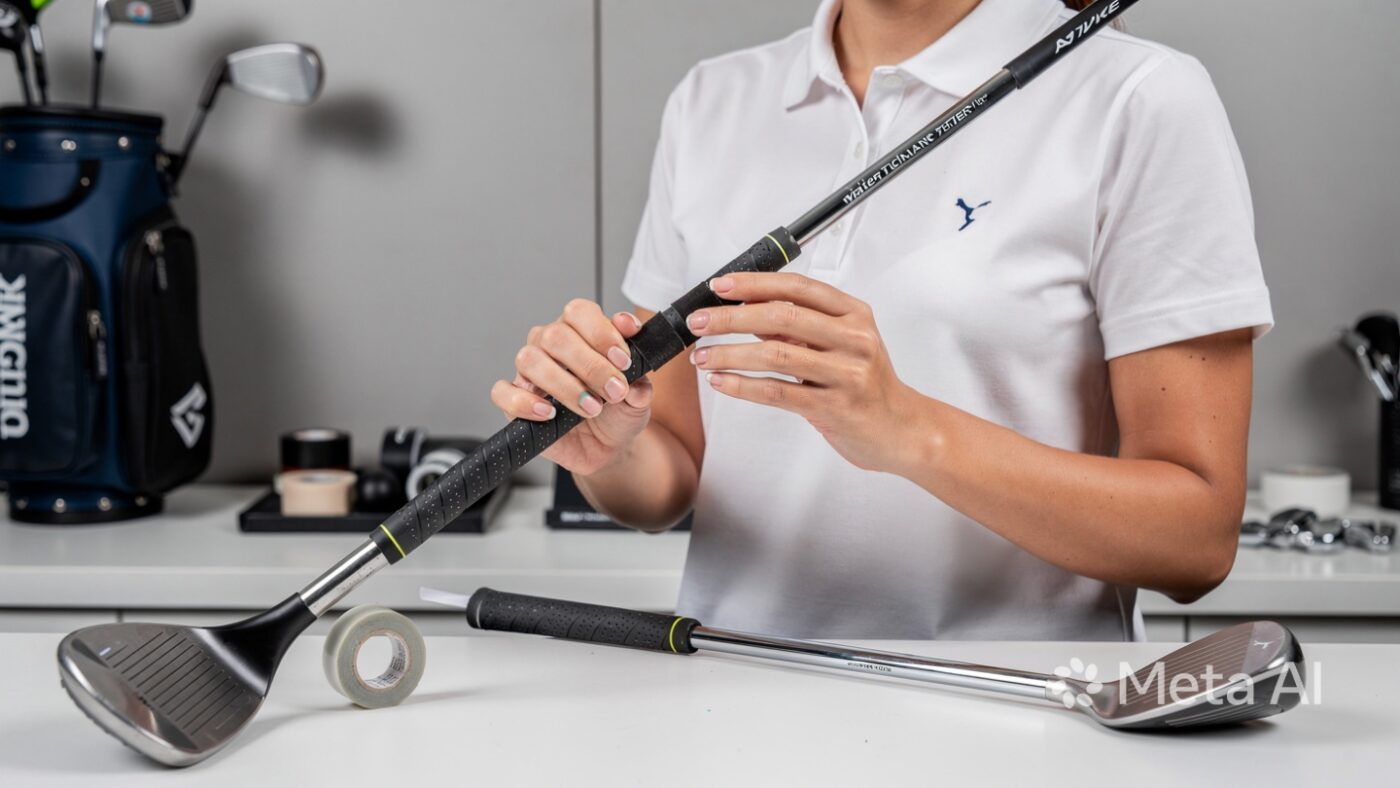
Golf shafts naturally develop scratches, scuffs, and finish wear over time. Bag chatter, travel, cart movement, range use, grip changes, and normal play can all leave marks on steel and graphite shafts. But shaft scratches are different from scratches on an iron head or driver crown. Some marks are only cosmetic. Others can be warning […]

Golf irons naturally develop scratches over time. Range mats, sand bunkers, bag chatter, cart movement, travel, and normal turf interaction can all leave marks on the sole, back, cavity, topline, and finish of your irons. The good news is that many light scratches on golf club irons can be improved safely with cleaning, fine-grit sandpaper, […]
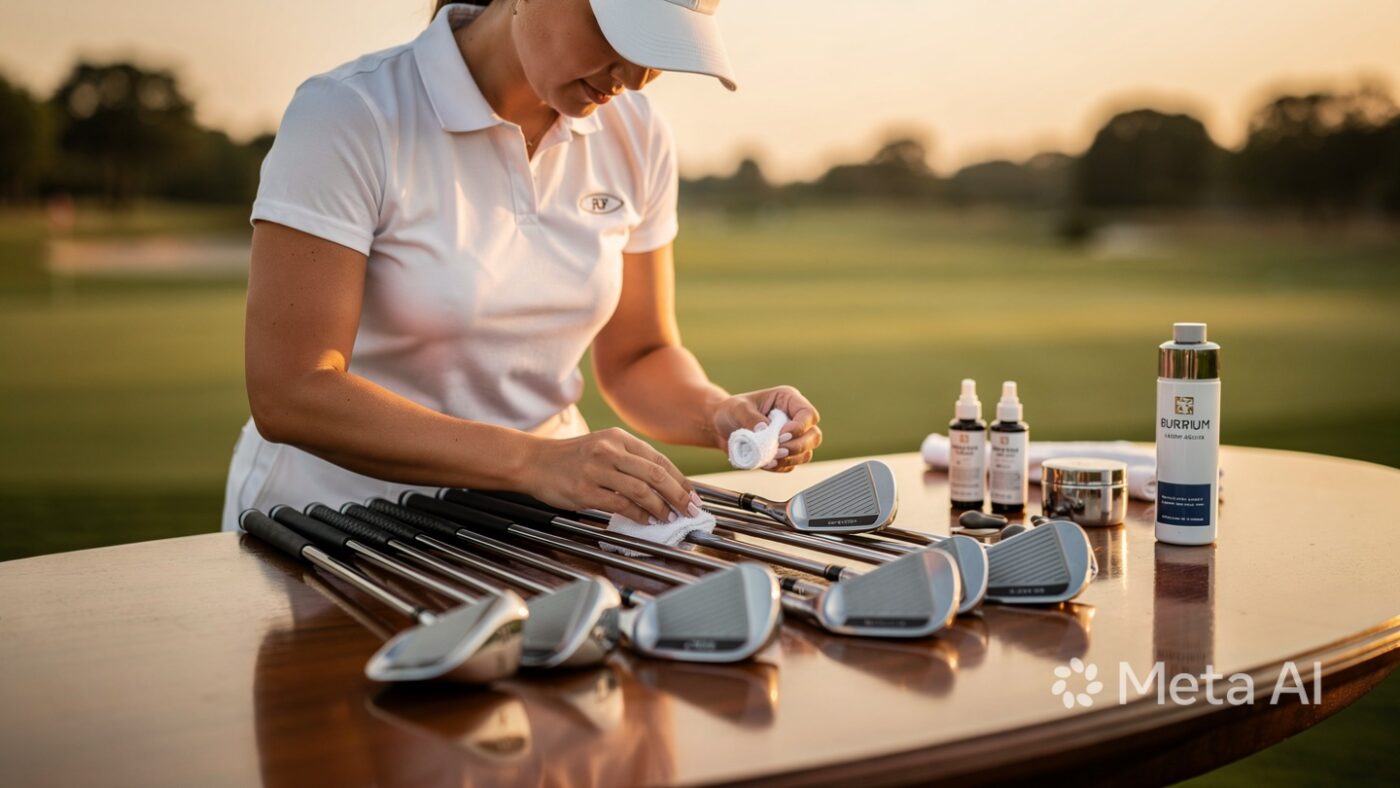
One of the easiest and most valuable DIY golf projects is regripping your clubs. Fresh grips can improve traction, comfort, consistency, hand pressure, and confidence over the ball. But successful regripping depends heavily on two essential supplies: These two products work together during installation. The tape creates the long-term adhesive bond, while the solvent temporarily […]
Painting a golf club head is easy. Making the paint actually last is the hard part. Golf clubs deal with vibration, bag chatter, sunlight, moisture, turf contact, temperature changes, and repeated impact. That means the best paint for golf club heads needs to be more durable than cheap craft paint or basic hardware-store spray paint. […]
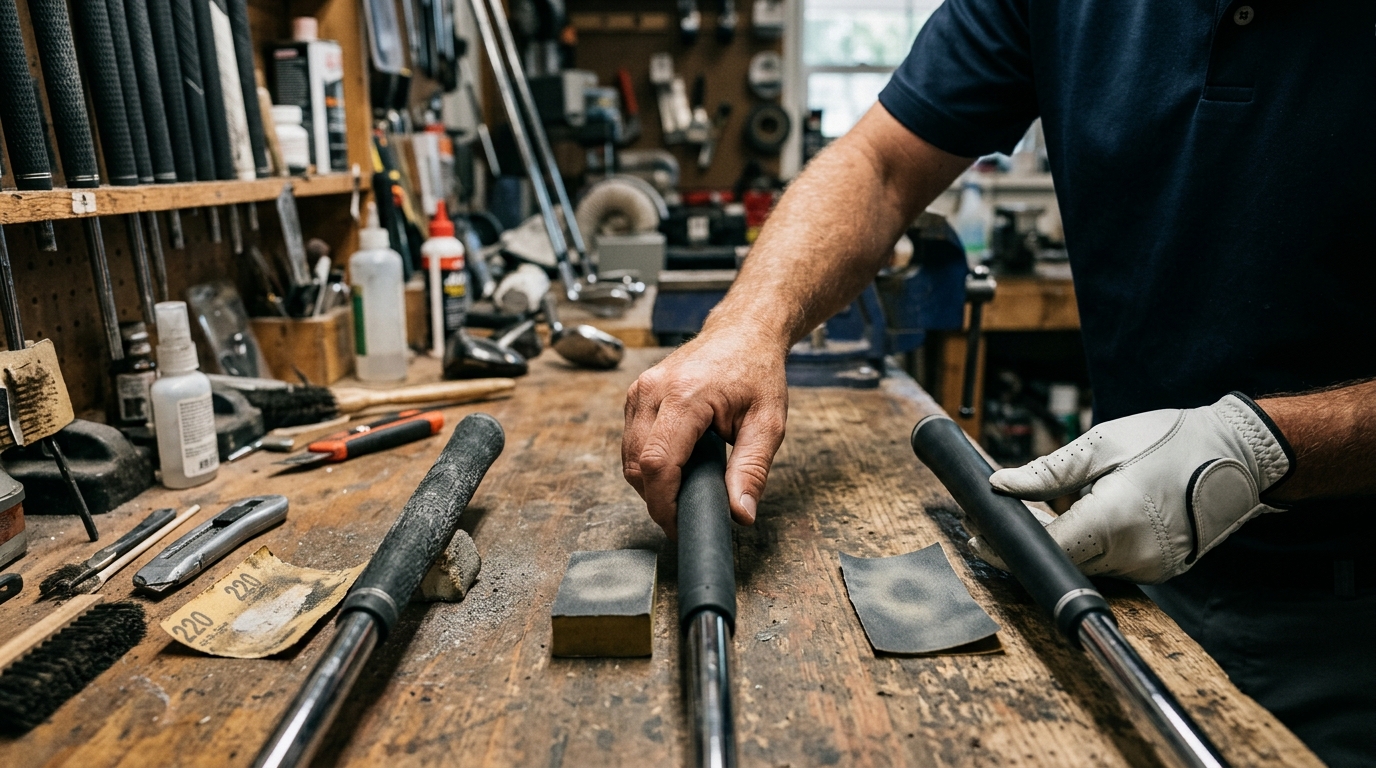
Golf grips eventually wear out, but many golfers replace them earlier than necessary. Sometimes a grip is not truly dead. It is simply dirty, oily, oxidized, or missing surface tackiness. That is where sandpaper to renew golf grips can help. When used carefully, fine-grit sandpaper can refresh the outer surface of rubber golf grips, improve […]

Many golfers focus on shafts, lofts, grips, and clubhead design while overlooking one of the easiest ways to change how a club feels: Golf club head weight. Small changes in club head weight can affect swing feel, tempo, ball flight, shot shape, face awareness, and overall confidence during the swing. That is why club builders, […]
The used golf club market changes constantly. Every year, new drivers, irons, wedges, putters, and shafts affect the resale value of older equipment from brands like Titleist, TaylorMade, Ping, Callaway, Cobra, Mizuno, Srixon, and Bridgestone. That is why so many golfers search for a PGA golf club value guide before buying, selling, trading, or upgrading […]
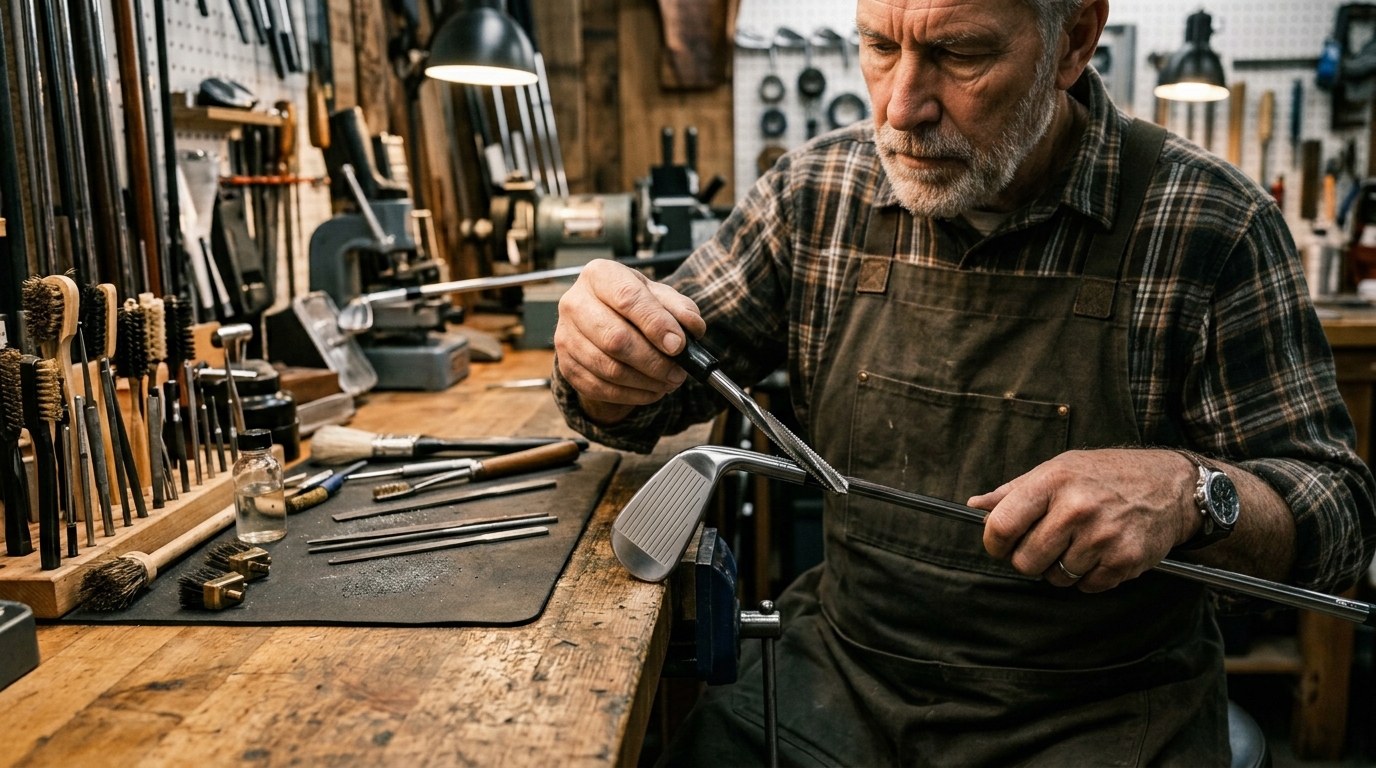
One of the most advanced procedures in DIY golf club building is reaming a golf club hosel. Hosel reaming allows a club builder to enlarge the inside diameter of the hosel so a different shaft tip size can fit properly. The most common reason golfers consider this procedure is to convert a .355 taper tip […]
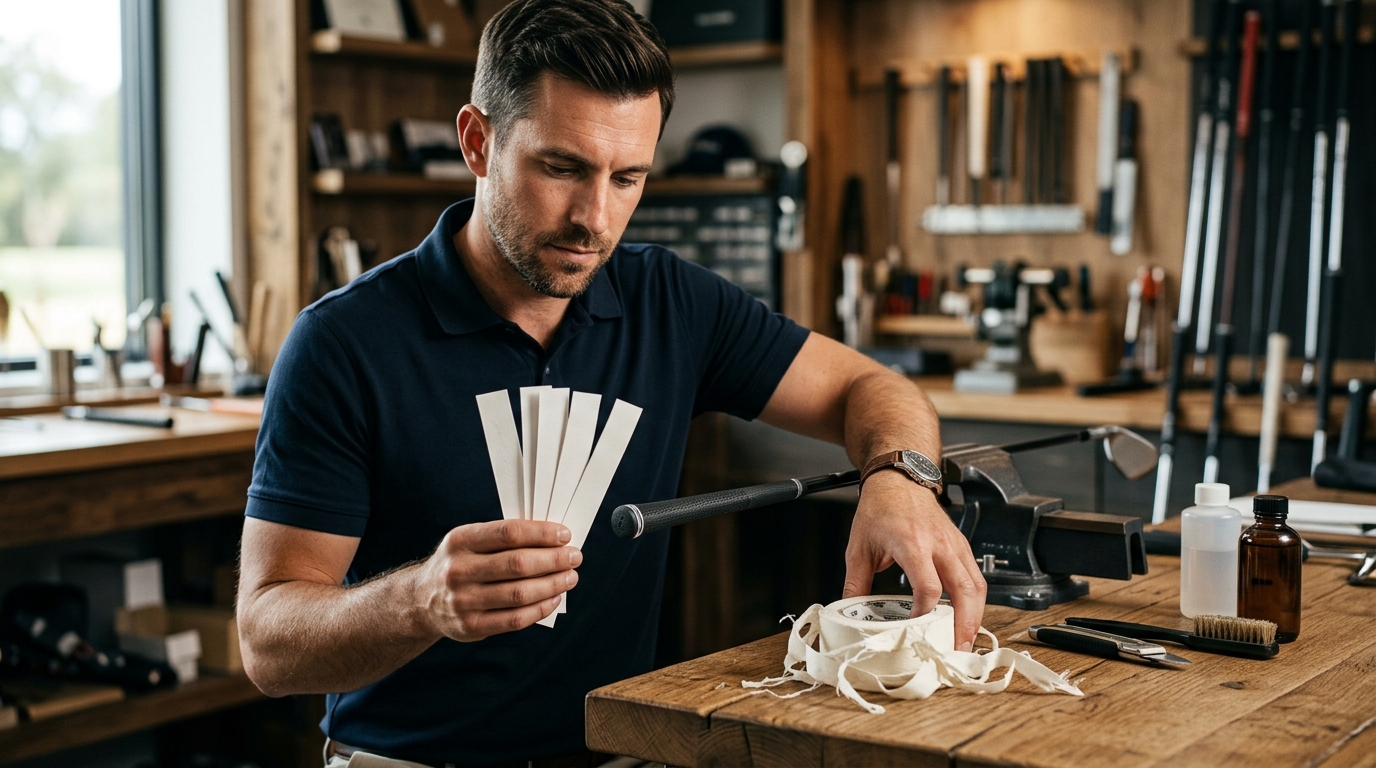
Golf grips eventually lose tackiness, texture, and traction. Sweat, dirt, sunscreen, hand oils, and weather exposure can make even good grips feel slick over time. That is why many golfers ask: what grit sandpaper is best for golf grips? The safest answer for most rubber golf grips is usually 220 to 320 grit sandpaper. These […]