

Golf club swing weight is one of the most misunderstood club-fitting terms because it does not mean the total weight of the club. Swing weight describes how heavy the clubhead feels during the swing, which is why two clubs can weigh the same on a scale but feel completely different when you swing them. Most […]

What golf clubs should I carry is one of the first questions every beginner asks after realizing a full golf bag can hold up to 14 clubs. The simple answer is this: you are allowed to carry 14 clubs, but you probably should not start with 14 clubs if you are still learning the game. […]

Antique golf club identification starts with one question: did you find a collectible piece of golf history, or just an old club that looks valuable because it has been sitting in a garage for 40 years? Old golf clubs can be fascinating. Some hickory-shafted clubs, classic MacGregor woods, early PING irons, collectible putters, and complete […]

Best used golf rangefinder shopping can be one of the smartest ways to get premium distance technology without paying full retail for a brand-new device. Golf clubs change quickly because faces, shafts, lofts, and fitting trends evolve. Laser rangefinders age differently. A clean three-year-old Bushnell, Garmin, Precision Pro, Nikon, Blue Tees, or Shot Scope unit […]
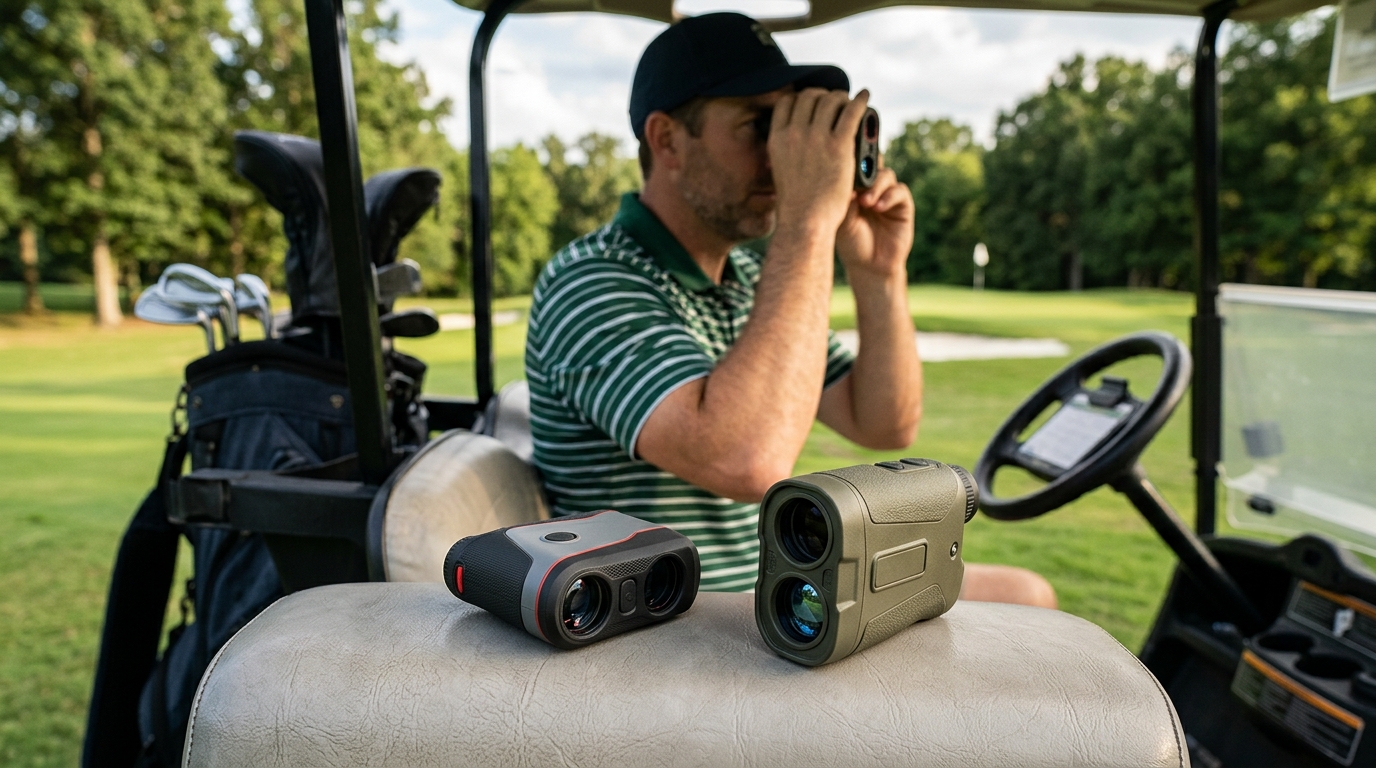
Hunting vs golf rangefinder is one of the smartest “save money” questions for golfers who also hunt, hike, shoot recreationally, or spend time outdoors. One laser device sounds convenient, but golf and hunting rangefinders are not always optimized for the same target. A golf rangefinder is built to find a small flag in front of […]
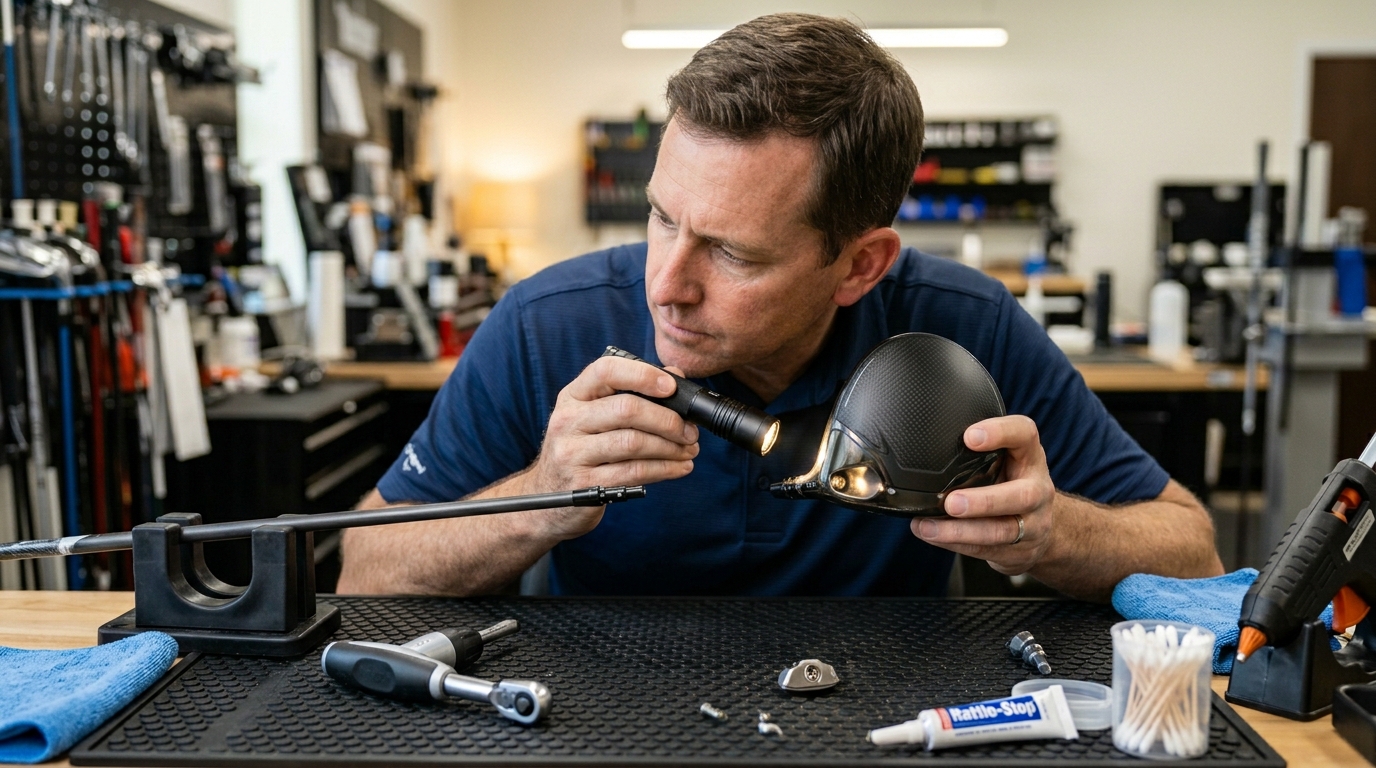
Golf club rattle diagnosis should happen before you buy adhesive, inject Rattle Trap, add hot melt, remove a grip, pull a shaft, or assume your driver head is broken. A rattle can sound like it is coming from the clubhead even when the loose piece is actually inside the shaft, grip, adapter, ferrule, or bag. […]
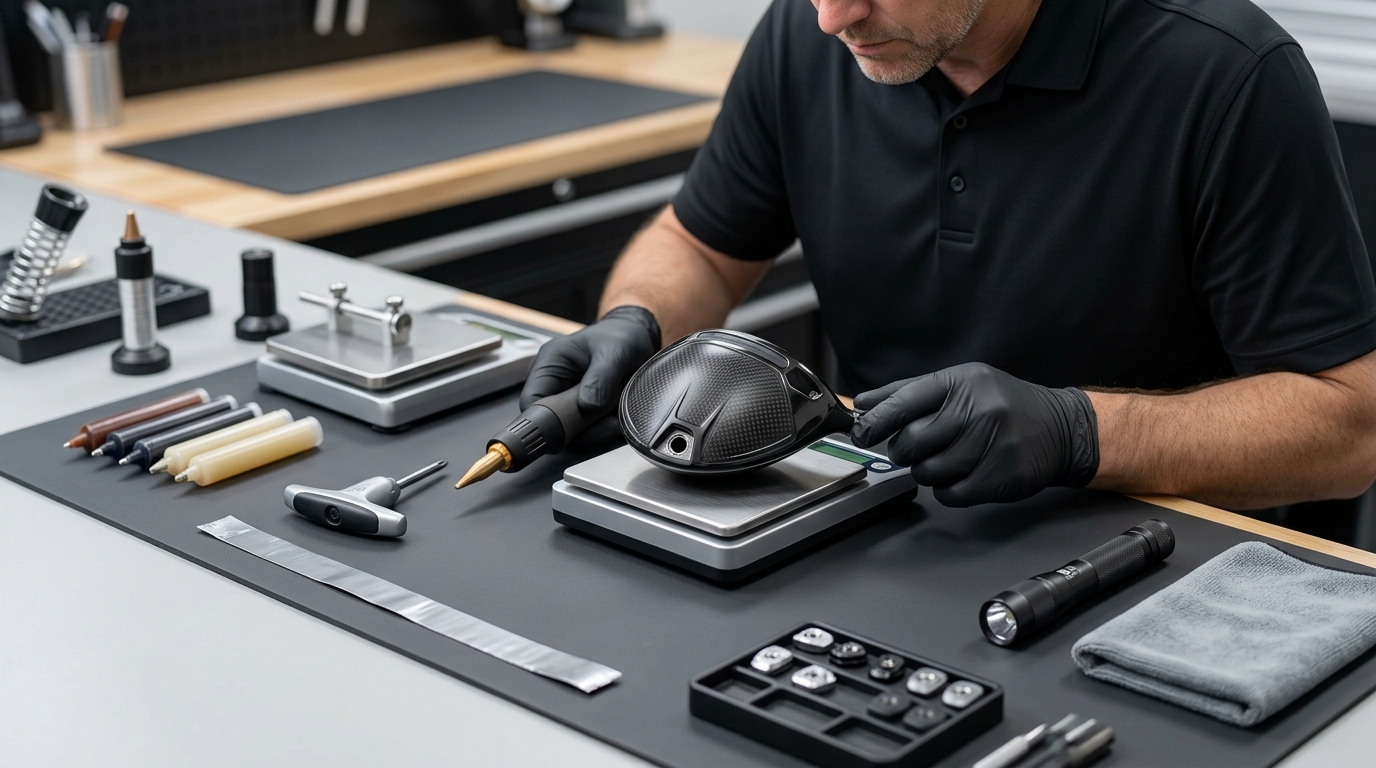
Hot melt golf club work is the professional method for fixing internal rattles, muting a loud driver head, and adding small amounts of hidden weight inside a hollow driver, fairway wood, or hybrid. Unlike a simple rattle-stop adhesive used only to trap loose debris, hot melt is a heated thermoplastic adhesive applied inside the clubhead […]
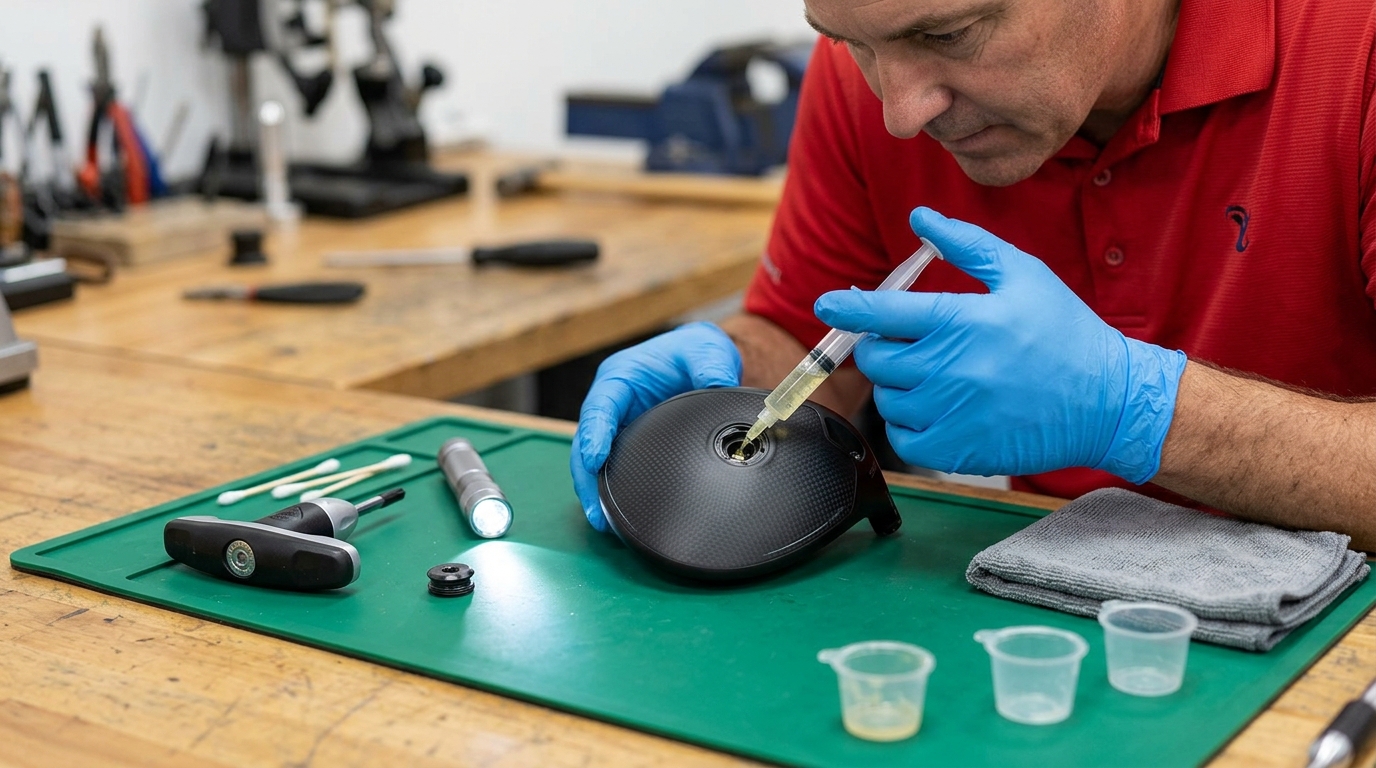
Rattle in golf club head repairs usually start with one simple question: is the noise coming from inside the hollow driver head, or is it coming from the shaft, grip, adapter, ferrule, or loose weight screw? A small rattle inside a driver head is often caused by a loose epoxy slug, broken adhesive bead, tiny […]
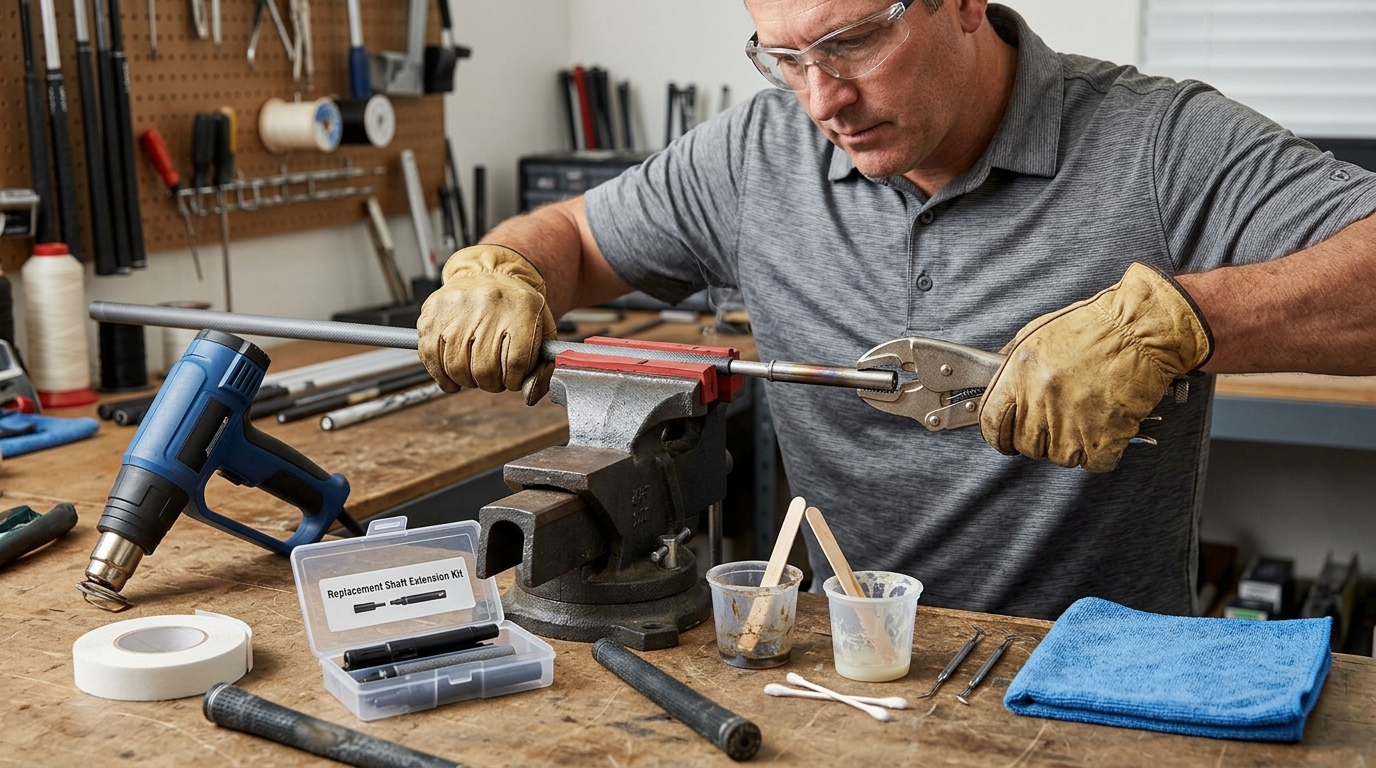
Remove cured epoxy residue from hosel before you install a new shaft, because even a thin layer of old crusty epoxy can stop the shaft from seating fully, reduce bonding surface, create poor alignment, or cause the new repair to fail. Once the clubhead is off, the job is not finished. The inside of the […]
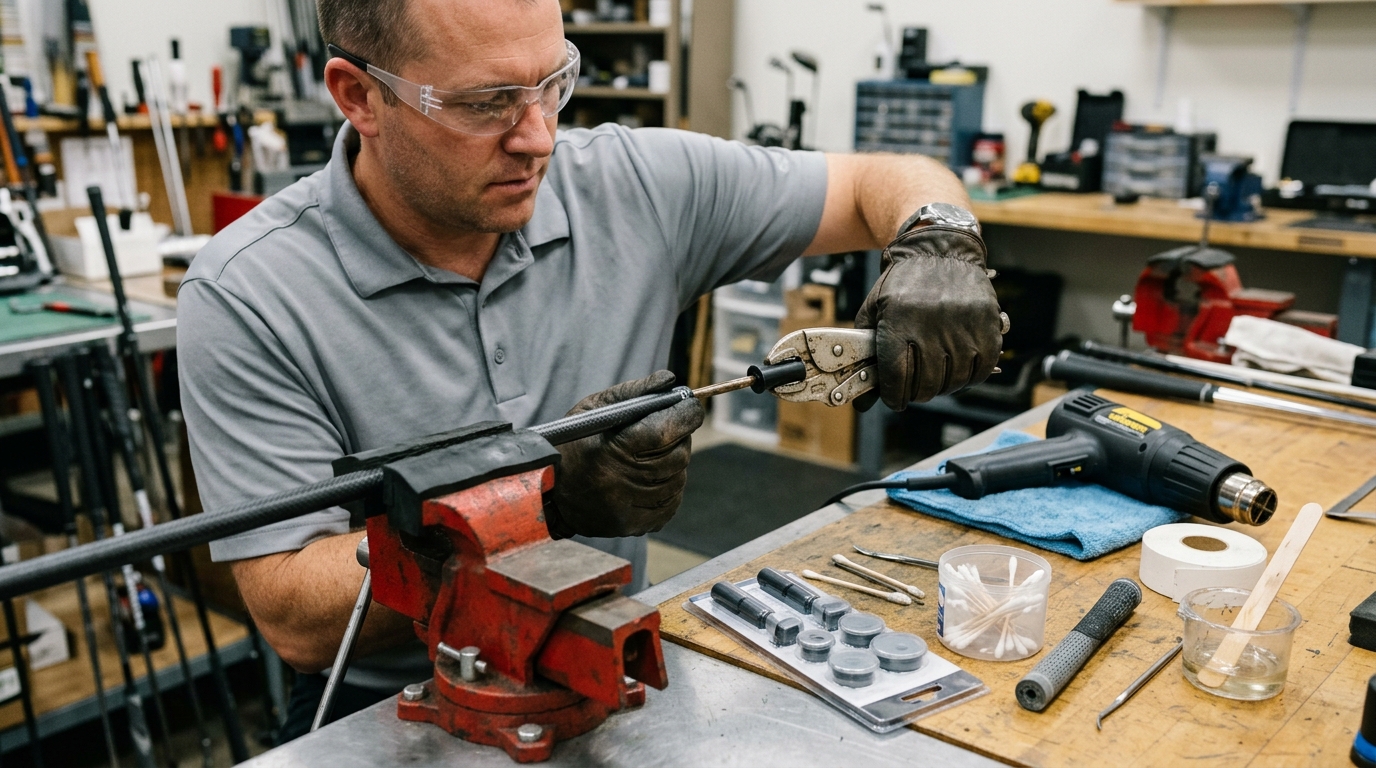
Remove golf club extension epoxy resin carefully, because the repair is happening inside the butt end of the shaft, not on the outside where you can easily see the bond. That makes extension removal different from pulling a clubhead, cleaning a hosel, or cutting a grip off a shaft. Many used golf clubs have plastic, […]