
Choosing the right golf ball compression can make a big difference in distance, feel, launch, spin, and consistency.
Many golfers lose performance because they play a ball that does not match their swing speed. A ball that is too firm may feel hard and difficult to compress. A ball that is too soft may not give faster players the control, feedback, or flight they want.
This golf ball compression chart will help you match your driver swing speed with the right low, mid, or high compression golf ball.
Use this as an updated golf ball compression chart for current models, but remember that compression ranges are starting points. The best ball for you also depends on feel, spin, cover material, launch, handicap, and budget.
👉 If you want a complete ball-fitting overview, start with our guide to the best golf balls by swing speed or use our quick selector: what golf ball is best for me.
Quick Answer: What Golf Ball Compression Should You Use?
If your driver swing speed is below 85 mph, start with low compression golf balls around 30–65 compression. If your swing speed is 85–100 mph, start with mid compression around 60–90 compression. If your swing speed is over 100 mph, test mid-high or high compression balls around 85–110+ compression.
Slower golfers usually need softer golf balls that are easier to compress. Faster golfers often need firmer golf balls for better control, stronger flight, and more stability.
Quick Golf Ball Compression Selector
Use this quick selector if you want a fast starting point before looking at the full chart.
| If You Are… | Start With This Compression | Good Ball Type |
|---|---|---|
| Beginner | 30–70 | Soft, forgiving golf ball |
| Senior golfer | 30–60 | Low compression golf ball |
| Slow swing speed player | 30–65 | Soft distance ball |
| Average golfer | 60–85 | Mid compression golf ball |
| Mid handicapper | 70–90 | Balanced performance ball |
| Fast swing speed player | 90–110+ | Firm tour-style golf ball |
👉 If you are new to golf, compare the best golf balls for beginners. If you swing slower, see the best golf ball for slow swing speed.


Golf Ball Compression Chart
This is the main golf ball compression chart by driver swing speed. Use it as your starting point when choosing low, mid, or high compression golf balls.
| Driver Swing Speed | Compression Range | Ball Type | Best For |
|---|---|---|---|
| Under 75 mph | 30–50 | Very low compression | Seniors, beginners, and very slow swing speeds |
| 75–85 mph | 40–65 | Low compression | Slow to moderate swing speeds |
| 85–95 mph | 60–85 | Mid compression | Average golfers and balanced performance |
| 95–105 mph | 80–100 | Mid-high compression | Faster players who want distance and control |
| 105+ mph | 90–110+ | High compression | High-speed players and advanced golfers |
This chart is not a perfect rule for every golfer. Use it to narrow your range, then test golf balls based on launch, feel, spin, carry distance, and short-game control.
Popular Golf Ball Compression Ratings
The table below lists commonly reported compression ranges for popular golf balls. Treat these numbers as practical estimates, not official universal measurements. Compression can vary by model year, testing method, temperature, and whether the number comes from a manufacturer claim or independent testing.
| Golf Ball Model | Approx. Compression | Compression Type | Best Fit |
|---|---|---|---|
| Wilson Duo Soft | 35–40 | Very low | Very slow swing speeds, soft feel, easy launch |
| Callaway Supersoft | 38–45 | Very low | Seniors, beginners, slow swing speeds |
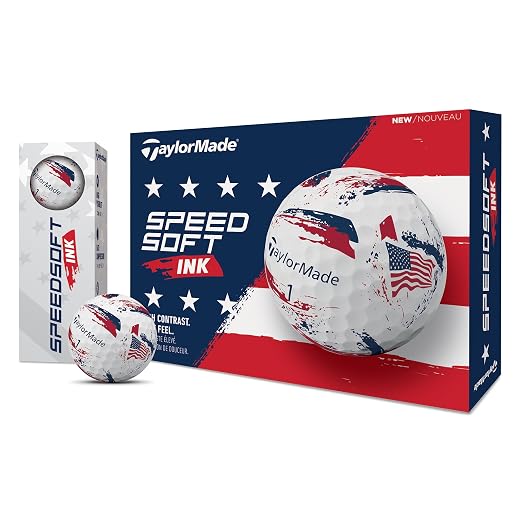
| TaylorMade SpeedSoft | 45–55 | Low | Soft feel and moderate swing speeds |
| Bridgestone e6 | 45–55 | Low | Straighter flight and slow-to-average swing speeds |
| Srixon Soft Feel | 55–65 | Low to mid | Soft feel, value, and moderate swing speeds |
| Titleist TruFeel | 55–65 | Low to mid | Soft Titleist feel and slower swing speeds |
| Callaway ERC Soft | 60–70 | Mid | Distance, alignment help, and soft feel |
| Titleist Tour Soft | 60–70 | Mid | Soft feel with more all-around performance |
| Srixon Q-Star Tour | 70–75 | Mid | Moderate swing speeds wanting urethane feel |
| TaylorMade Tour Response | 70–75 | Mid | Average golfers wanting tour-style feel |
| Callaway Chrome Soft | 70–80 | Mid | Soft premium feel, distance, and control |
| Bridgestone Tour B RXS | 70–80 | Mid | Moderate swing speeds needing more greenside spin |
| Bridgestone Tour B RX | 75–85 | Mid | Moderate to faster players wanting distance and feel |
| Titleist AVX | 75–85 | Mid | Lower flight, softer premium feel, lower spin |
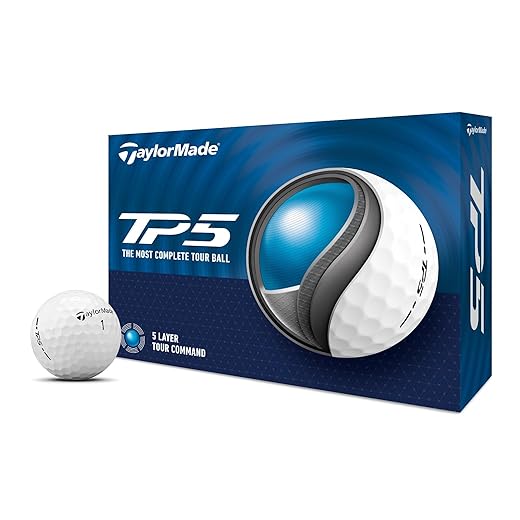
| TaylorMade TP5 | 80–90 | Mid-high | Tour performance with slightly softer feel than TP5x |
| Titleist Pro V1 | 85–90 | Mid-high | Balanced tour performance, spin, and control |
| Callaway Chrome Tour | 85–95 | Mid-high | Tour-level control and faster average swings |
| Srixon Z-Star | 85–95 | Mid-high | Tour urethane feel and greenside control |
| Vice Pro | 85–95 | Mid-high | Premium performance at mid-to-fast swing speeds |
| Bridgestone Tour B XS | 85–95 | Mid-high | Spin, control, and stronger players |
| TaylorMade TP5x | 95–100 | High | Fast swing speeds, higher launch, firmer feel |
| Titleist Pro V1x | 95–100 | High | Fast swing speeds, higher flight, more spin |
| Callaway Chrome Tour X | 95–100+ | High | Fast players wanting firmer feel and control |
| Bridgestone Tour B X | 95–105 | High | High swing speed players seeking speed and stability |
| Srixon Z-Star XV | 95–105 | High | Fast swing speeds and firmer tour performance |
| Vice Pro Plus | 95–105 | High | High speed players wanting lower driver spin |
| Titleist Pro V1x Left Dash | 100+ | Very high | Very fast players wanting firm feel and low spin |
Use this golf ball compression ratings table as a comparison tool, not as the only reason to buy a ball. A 75-compression urethane ball can perform very differently from a 75-compression ionomer ball because cover material, mantle design, dimple pattern, and spin profile all change how the ball plays.
👉 If you want to compare performance beyond compression, see our golf ball spin chart, best golf balls compared, and what golf ball is best for me guides.

Golf Ball Compression vs Swing Speed Chart
If you know your approximate driver swing speed, use this more detailed chart to find the best compression range and ball type.
| Driver Swing Speed | Recommended Compression | Best Ball Type | Good Starting Point |
|---|---|---|---|
| 70 mph | 30–50 | Very soft / low compression | Supersoft / Soft Feel |
| 75 mph | 35–55 | Low compression | Callaway Supersoft |
| 80 mph | 40–65 | Low to mid compression | Supersoft / Bridgestone e6 |
| 85 mph | 55–75 | Mid compression | Soft Feel / e6 |
| 90 mph | 65–85 | Mid compression | Q-Star Tour / Chrome Soft |
| 95 mph | 75–95 | Mid-high compression | Chrome Soft / Pro V1 |
| 100 mph | 85–105 | Mid-high / high compression | Pro V1 / TP5 |
| 105+ mph | 90–110+ | High compression | Pro V1x / TP5x |
👉 For product recommendations by speed range, use the best golf balls by swing speed guide. For faster players, compare the best golf balls for high swing speed.
Golf Ball Compression Examples by Number
Many golfers search for specific compression numbers such as 60 compression golf balls, 80 compression golf balls, or 90 compression golf balls. Use this table to understand what those ranges usually mean.
| Compression Range | What It Usually Means | Best For |
|---|---|---|
| 30–50 compression | Very soft golf balls | Slow swing speeds, seniors, beginners |
| 50–70 compression | Soft to low-mid compression | Slow to moderate swing speeds |
| 70–85 compression | Mid compression | Average golfers and balanced performance |
| 85–95 compression | Mid-high compression | Faster average players and improving golfers |
| 95–110+ compression | High compression | Fast swingers, advanced players, firmer feel |
These numbers are useful, but they are not exact across every brand. One company’s 80-compression ball may not feel exactly like another company’s 80-compression ball.
What Is Golf Ball Compression?
Golf ball compression refers to how much a golf ball compresses when it is struck by the clubface.
A low compression golf ball compresses more easily. This can help slower swing speed players create better launch, softer feel, and more usable distance.
A high compression golf ball usually feels firmer and is better suited for faster swing speeds. These balls can help high-speed players maintain control, reduce excessive spin, and produce a stronger flight.
A mid compression golf ball sits between those two extremes and can work well for many average golfers who want distance, feel, and control in one ball.
👉 For a deeper explanation, read our golf ball compression guide and our explainer: does ball compression matter.
Golf Ball Compression Is Not Perfectly Standardized
Compression numbers are helpful, but they are not perfectly standardized across every brand, model, and testing source.
Some golf ball brands do not publish official compression numbers. Other numbers may come from independent testing, older model years, or different testing methods.
That means you should use compression ranges as a starting point, not as an absolute rule. A ball listed around 75 compression may feel different from another ball in the same range because cover material, core design, construction, and sound at impact also affect feel.
The best approach is to use the chart to narrow your options, then test two or three golf balls on the course.
What Compression Golf Ball Should I Use?
The right compression depends on your swing speed and what you want the ball to do. Use this table to match your goal with the right compression type.
| Your Goal | Better Compression Type | Why |
|---|---|---|
| More distance with slow swing speed | Low compression | Easier to compress and launch |
| Softer feel | Low compression | Usually feels softer at impact |
| Balanced distance and control | Mid compression | Good fit for many average golfers |
| Lower driver spin | Mid-high or high compression | Can help faster players control flight |
| More control at high speed | High compression | Better fit for players who compress the ball strongly |
| Better greenside spin | Depends on cover and construction | Urethane cover often matters more than compression alone |
👉 If you are still unsure, use the quick selector: what golf ball is best for me.
Low Compression Golf Balls
Low compression golf balls are usually best for slower swing speed players. They are easier to compress, often feel softer, and can help golfers create more distance without needing a very fast swing.
Low compression is often a good fit for:
Good examples often include soft-feel and low-compression balls designed for easy launch, forgiveness, and comfort.
👉 Compare specific models in our guide to the best low compression golf balls. Slower players should also see the best golf ball for slow swing speed and the best golf balls for beginners.

Mid Compression Golf Balls
Mid compression golf balls are a good fit for many average golfers. They usually offer a balance of distance, feel, launch, and control.
This range often works well for golfers with driver swing speeds around 85–95 mph, although some players slightly above or below that range may still fit mid-compression balls depending on launch, spin, and feel preference.
Mid compression is often a good fit for:
👉 For balanced options, see our guides to the best golf balls for average golfers and the best golf balls for mid handicap players.
High Compression Golf Balls
High compression golf balls are usually better for faster swing speed players who can compress a firmer ball properly.
These balls can help faster players control spin, create a stronger ball flight, and avoid the overly soft feel that some high-speed golfers dislike.
High compression is often a good fit for:
👉 Faster players should compare the best golf balls for high swing speed.
Does Golf Ball Compression Affect Distance?
Yes, compression can affect distance, but it does not work the same way for every golfer.
For slower swing speeds, a lower-compression golf ball can help because it is easier to compress and launch. This can create more carry distance and a better feel at impact.
For faster swing speeds, a higher-compression ball can help control spin and produce a stronger flight. A ball that is too soft may not give some faster players the control, feedback, or trajectory they want.
Compression is important, but it is not the only factor. Cover material, dimple design, spin profile, launch, strike quality, and ball construction also affect distance.
👉 If distance is your main goal, compare the best golf balls for distance.

Golf Ball Compression and Feel
Compression also affects how a golf ball feels.
However, feel is personal. Some golfers like a soft ball because it feels easier to compress. Others prefer a firmer ball because it feels faster, stronger, or more responsive.
Feel also depends on cover material, core design, construction, and sound at impact. That is why two golf balls with similar compression numbers may not feel identical.
👉 If feel is your priority, see our guide to the best soft feel golf balls.
Golf Ball Compression and Spin
Compression can influence spin, but it is not the only factor. Cover material and construction often matter more, especially around the green.
A very soft ball may help some slower golfers launch the ball better, while a firmer ball may help faster players control driver spin and flight. But wedge spin and greenside stopping power often depend more on the cover and overall ball design.
If you want more greenside spin, do not choose only by compression. Also look at cover type, number of layers, and short-game performance.
👉 For more spin-focused options, compare the best golf balls for spin and the best golf balls for control.
Golf Ball Compression vs Cover Material
Compression and cover material both matter, but they affect performance in different ways.
Compression mainly affects how the ball feels, compresses, launches, and transfers energy at impact.
Cover material affects spin, especially on wedge shots, chips, pitches, and approach shots into the green.
Urethane-cover golf balls usually provide more greenside spin and scoring control. Ionomer or Surlyn-style covers usually cost less, last longer, and spin less around the green.
The best golf ball fit considers both compression and cover material. A ball can have the right compression but still not give you the spin, feel, or durability you want.
👉 If short-game spin is important, compare the best urethane golf balls.
How to Estimate Your Swing Speed
The best way to know your swing speed is to use a launch monitor or swing speed device. But if you do not have one, you can estimate your range from your typical driver carry distance.
| Typical Driver Distance | Estimated Swing Speed | Suggested Compression |
|---|---|---|
| Under 180 yards | Under 75 mph | Very low compression |
| 180–210 yards | 75–85 mph | Low compression |
| 210–240 yards | 85–95 mph | Mid compression |
| 240–270 yards | 95–105 mph | Mid-high compression |
| 270+ yards | 105+ mph | High compression |
This is only an estimate. Launch angle, strike quality, weather, altitude, rollout, and driver fit can change your real distance numbers.
👉 For more help, read our guide on how to measure golf swing speed.
Common Mistakes When Choosing Golf Ball Compression
👉 For a complete buying process, read how to choose the best golf ball.
Frequently Asked Questions
What is golf ball compression?
Golf ball compression measures how much the ball compresses when struck. Lower-compression balls compress more easily and usually feel softer, while higher-compression balls feel firmer and are often better for faster swing speeds.
What compression golf ball should I use?
If your driver swing speed is below 85 mph, start with low compression. If you swing around 85–100 mph, test mid-compression balls. If you swing over 100 mph, try mid-high or high-compression balls.
What is the best golf ball compression for 80 mph swing speed?
For an 80 mph swing speed, many golfers fit low to mid compression golf balls, usually around 40–65 compression. Softer balls can help with launch, feel, and carry distance.
What is the best golf ball compression for 90 mph swing speed?
For a 90 mph swing speed, many golfers fit mid-compression balls, usually around 65–85 compression. This range can offer a good balance of distance, feel, and control.
What is the best golf ball compression for 100 mph swing speed?
For a 100 mph swing speed, many golfers fit mid-high or high-compression golf balls, usually around 85–105 compression. This range can help faster players get stronger flight, better control, and firmer feedback.
Is 60 compression low for a golf ball?
Yes, 60 compression is generally considered low to low-mid compression. It can work well for slower to moderate swing speeds, especially golfers who want softer feel and easier launch.
Is 80 compression a good golf ball?
An 80-compression golf ball can be a good fit for many average golfers. It usually sits in the mid-compression range and can offer a balance of distance, feel, and control.
Who should use 90 compression golf balls?
Golfers with faster average swing speeds may fit 90-compression golf balls. This range can work well for players around 95–105 mph driver swing speed who want firmer feel, stronger flight, and more control.
Do low compression golf balls go farther?
Low compression golf balls can go farther for slower swing speed players because they are easier to compress and launch. For faster players, firmer balls may produce better distance and control.
Are high compression golf balls better?
High compression golf balls are not automatically better. They are usually better for faster swing speed players who can compress them properly. Slower players may perform better with lower-compression balls.
What is the difference between low and high compression golf balls?
Low compression golf balls feel softer and are easier to compress. High compression golf balls feel firmer and are usually better for faster swing speeds. Mid compression balls sit between the two and can fit many average golfers.
What compression golf ball should seniors use?
Many seniors fit low-compression golf balls because they are easier to launch and compress at slower swing speeds. Stronger senior golfers with higher swing speeds may fit mid-compression balls.
What compression golf ball should beginners use?
Most beginners should start with low to mid compression golf balls because they are usually easier to launch, more forgiving, and more comfortable to play. Beginners should not choose only by brand or premium price.
Does golf ball compression really matter?
Yes, golf ball compression can matter because it affects feel, launch, and how well the ball matches your swing speed. However, compression is only one part of choosing a golf ball. Spin, cover material, construction, and price also matter.
What is the difference between compression and cover material?
Compression affects how the ball feels, compresses, launches, and transfers energy. Cover material affects spin, especially around the green. Urethane covers usually spin more, while ionomer or Surlyn-style covers usually cost less and spin less.
Related Golf Ball Compression Guides
If you are using this golf ball compression chart to choose your next ball, these guides can help you narrow your options:
Final Thoughts: Use Compression as a Starting Point
The right golf ball compression can help you get better distance, feel, launch, and control. Slower swing speed players often fit low-compression balls, average golfers often fit mid-compression balls, and faster players often fit higher-compression balls.
But compression is not the only thing that matters. The best golf ball for your game also depends on spin, cover material, price, feel, construction, and the type of shots you want to hit.
Use this golf ball compression chart as your starting point, then compare specific models based on your swing speed and performance goals.